What Is a Slewing Drive? Types, Working Principle and Applications
What Is a Slewing Drive? Types, Working Principle and Applications
A slewing drive is a compact rotary transmission device that combines a slewing bearing, gear mechanism, housing, seals and mounting structure. It is widely used in solar tracking systems, industrial machinery, construction equipment, cranes, rotary platforms and automation systems where controlled rotation and load support are required.
What Is a Slewing Drive?
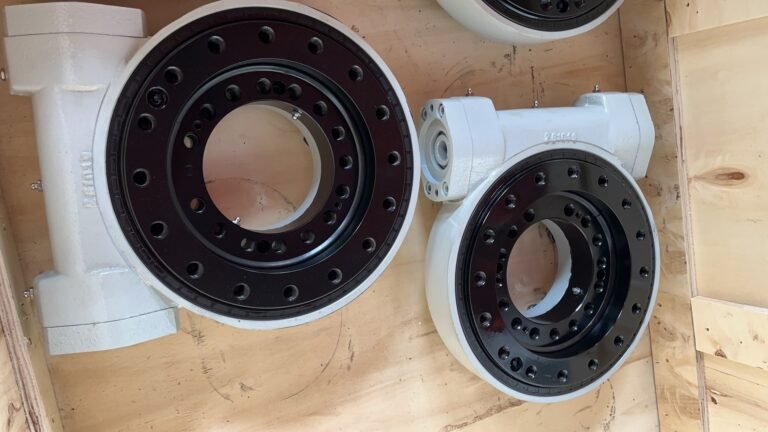
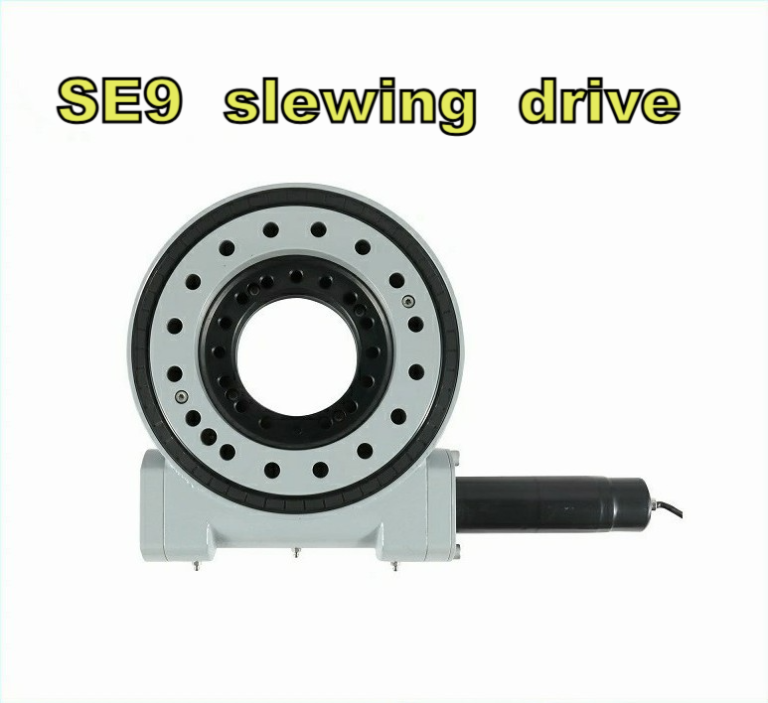
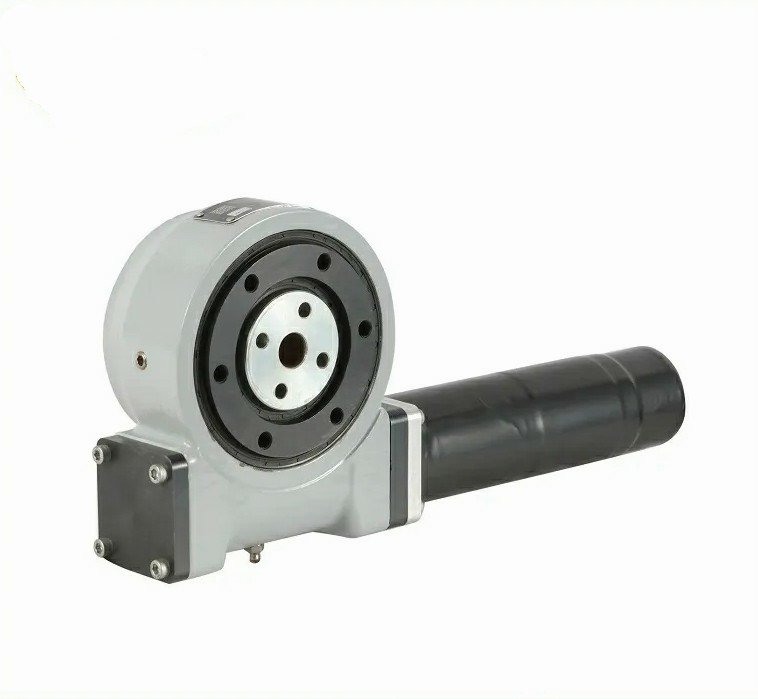
A slewing drive is a rotary drive unit designed to transmit torque, support axial load, radial load and tilting moment, and provide controlled rotation in horizontal or vertical installation directions.
Compared with a separate slewing bearing and external gearbox system, a slewing drive is usually more compact and easier to install. The gear, bearing, housing and sealing system are integrated into one assembly, making it suitable for equipment that requires smooth rotation, high load capacity and precise positioning.
In simple terms, a slewing drive helps equipment rotate under load. It can rotate slowly, hold position and support heavy forces at the same time.
How Does a Slewing Drive Work?
A slewing drive normally works through a gear transmission system. In many designs, a worm shaft engages with the gear teeth of the slewing bearing. When the worm shaft is driven by an electric motor, hydraulic motor or manual input, the slewing bearing rotates and drives the connected structure.
The slewing bearing inside the drive supports external loads, while the gear mechanism transfers torque and controls the rotation. Depending on the application, the slewing drive can provide continuous rotation, limited-angle rotation or intermittent positioning.
Basic Working Process
- The motor or input shaft provides rotational power.
- The worm gear or spur gear mechanism reduces speed and increases torque.
- The slewing bearing rotates together with the connected equipment.
- The housing, seals and grease system protect the internal structure.
- The drive holds or adjusts the position according to the control requirement.
Main Components of a Slewing Drive
Slewing Bearing
The slewing bearing supports axial load, radial load and tilting moment while allowing smooth rotary movement.
Gear Mechanism
The gear system, such as a worm gear or spur gear, transmits torque and controls the output rotation speed.
Housing
The enclosed housing protects the internal bearing and gear structure from dust, moisture and external impact.
Sealing System
Seals help prevent contamination and maintain grease inside the drive, improving service life in outdoor applications.
Input Shaft or Motor Interface
The input interface allows connection with an electric motor, hydraulic motor, gearbox or manual driving device.
Mounting Holes
Mounting holes allow the slewing drive to be fixed to equipment frames, brackets, platforms or rotating structures.
Common Types of Slewing Drives
Slewing drives can be classified according to gear type, housing design, installation direction and application requirement. The most common types include worm gear slewing drives, spur gear slewing drives and enclosed slewing drives.
| Type | Description | Typical Applications |
|---|---|---|
| Worm Gear Slewing Drive | Uses a worm shaft and worm gear structure. It provides large reduction ratio, compact size and good holding ability. | Solar trackers, rotary platforms, aerial equipment and industrial automation. |
| Spur Gear Slewing Drive | Uses spur gear transmission. It can provide higher transmission efficiency and is suitable for faster rotation. | Machinery rotation systems, turntables, cranes and automation equipment. |
| Enclosed Slewing Drive | Designed with a sealed housing to protect the internal gear and bearing from dust, water and outdoor conditions. | Solar tracking systems, outdoor equipment, vehicles and construction machinery. |
Key Features of Slewing Drives
Compact Integrated Design
A slewing drive combines bearing, gear and housing in one unit, reducing installation complexity and saving space.
High Load Capacity
It can support axial force, radial force and overturning moment, making it suitable for heavy-duty rotary systems.
Controlled Rotation
Slewing drives can provide stable rotary movement and accurate positioning when used with motors and control systems.
Outdoor Adaptability
Enclosed slewing drives with proper seals and grease protection can be used in solar farms and mobile machinery.
Typical Applications of Slewing Drives
Slewing drives are widely used in applications where a structure must rotate, bear load and maintain a stable position.
1. Solar Tracking Systems
One of the most common applications of slewing drives is in solar tracking systems. A solar tracking slewing drive helps photovoltaic panels rotate toward the sun, improving sunlight capture during the day.
2. Construction Machinery
Slewing drives are used in construction equipment that requires platform rotation, boom positioning or controlled movement under load.
3. Industrial Automation
In automation systems, slewing drives can be used for rotary tables, positioning devices, robotic auxiliary mechanisms and material handling systems.
4. Cranes and Lifting Equipment
Slewing drives can support rotation in small cranes, lifting platforms, truck-mounted equipment and other systems that require controlled load rotation.
How to Select the Right Slewing Drive
Choosing the right slewing drive requires more than checking the outer diameter. Engineers and buyers should consider load, torque, speed, installation direction, working environment and control method.
| Selection Factor | What to Confirm |
|---|---|
| Load Capacity | Confirm axial load, radial load and tilting moment of the equipment. |
| Output Torque | Check the torque required to rotate the structure under working conditions. |
| Rotation Speed | Confirm whether the application needs slow tracking, fast positioning or intermittent rotation. |
| Working Environment | Outdoor, dusty, humid or high-temperature environments may require better sealing and protection. |
| Motor and Control Method | Choose electric motor, hydraulic motor or manual drive according to system requirements. |
Slewing Drive vs Slewing Bearing
A slewing bearing is mainly a bearing component that supports load and allows rotation. It usually needs an external gear system, motor and housing depending on the equipment design.
A slewing drive is a more integrated rotary unit. It normally includes a slewing bearing, gear mechanism, housing, seals and input interface. This makes it easier to install and more suitable for applications where customers need a ready-to-use rotary drive assembly.
FAQ About Slewing Drives
What is a slewing drive used for?
A slewing drive is used to rotate and support loads in equipment such as solar trackers, rotary platforms, construction machinery, cranes, automation systems and mobile equipment.
What is the difference between a slewing drive and a slewing bearing?
A slewing bearing mainly supports load and allows rotation, while a slewing drive integrates a slewing bearing with gear transmission, housing, seals and an input interface for driven rotation.
Can a slewing drive be used outdoors?
Yes. Enclosed slewing drives with proper sealing and lubrication are commonly used in outdoor applications such as solar tracking systems, vehicles and construction machinery.
How do I choose the right slewing drive?
You should confirm axial load, radial load, tilting moment, required torque, rotation speed, installation direction, working environment, motor type and mounting size.
Need Help Selecting a Slewing Drive?
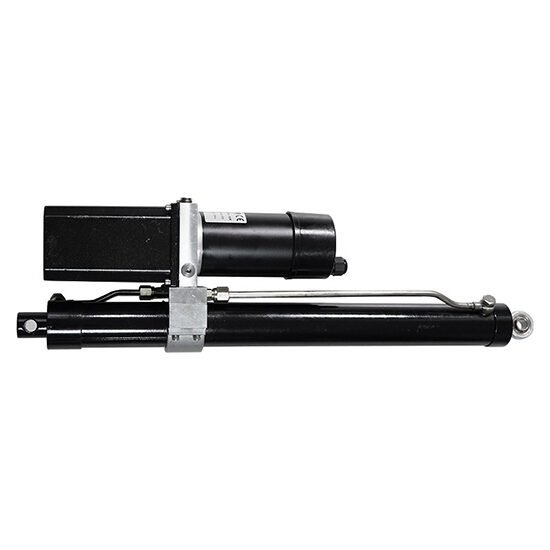
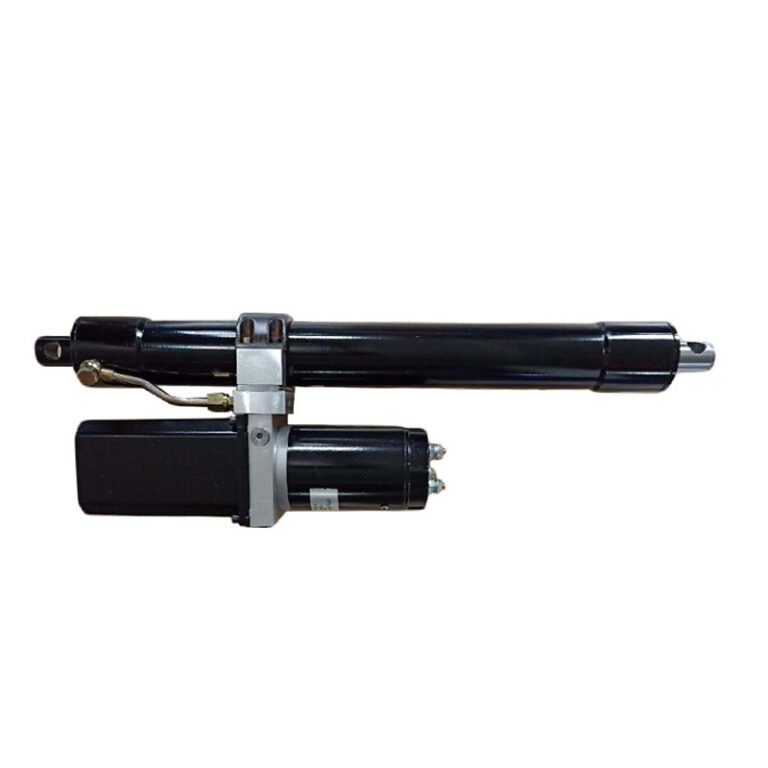
Changxing Motiontech supplies slewing drives, slewing bearings, linear actuators, electric hydraulic actuators and customized motion control products for solar tracking, industrial automation and machinery applications.
Contact Us for Slewing Drive Solutions